

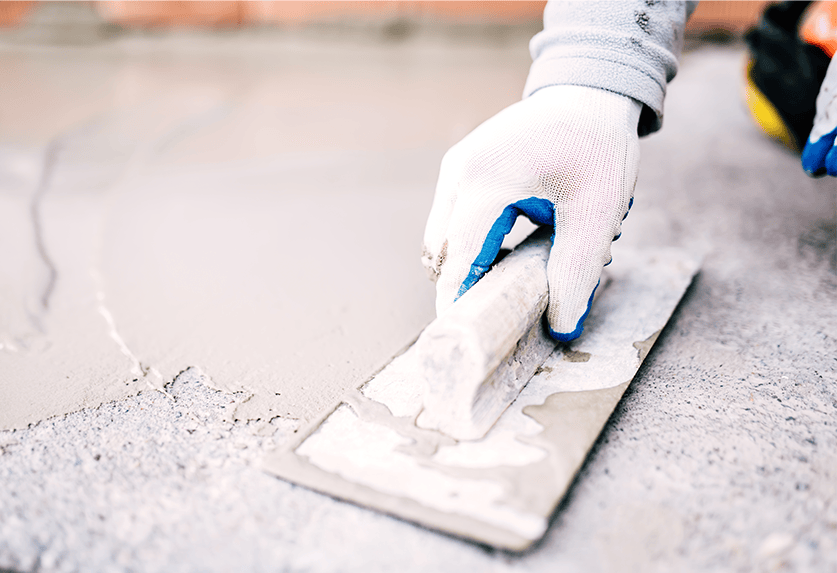
Cracks forming over time are inevitable, whether on your garage floor, concrete patio, or any other concrete surface. Over time, these concrete cracks become a safety hazard and can worsen if they’re not properly maintained. Before you consider replacing your existing concrete, you may be able to solve the problem with a simple repair. Read more to learn how you can repair cracks in concrete surfaces!
Your Guide to Fixing Cracks in Concrete
Concrete surfaces are sturdy and can last a lifetime. But as time goes on, you will have to maintain their surface and appearance to reap the full scale of their benefits. The older concrete gets, the more likely it is to develop small cracks, crevices, and chips. Depending on the scale of the damage done to the concrete, you may have to hire pros like MACH ONE® to get the job done. Narrow cracks and minor chips under 1/4 of an inch can be a DIY project repair. Any larger crack will need expert resurfacing. Repairing concrete on your own may seem daunting, but it’s a lot easier than you think. Here are three steps to follow to help you get the job done.
1. Select a Patching Material
Cracks in concrete are not able to be adequately fixed with more concrete. Instead, you’ll have to use a concrete crack filler. Epoxy or latex patching compounds are effective fillers found at most home improvement stores.
2. Prep the Crack for Repair
Before you start the repair process, double-check that the weather in your area isn’t too hot, cold, or humid. A good rule of thumb to keep in mind is to ensure that the temperature is at least 50 degrees and dry. Applying patching material to concrete in inclement weather can affect the results of your DIY repair. Using a chisel and a hammer, you’ll want to remove any crumbling or loose pieces of concrete from the surrounding area. Rinse the site and use a wire brush to remove any excess loose pieces.
3. Apply the Patching Material
Following the directions on your concrete filler of choice, fill in the crack as needed. Smooth out the filler, and allow time for the product to cure before applying any weight or pressure to the area.
Repairing concrete can be potentially hazardous, especially if it’s your first time. Put safety first and take caution by wearing protective gear like glasses and masks. We strongly recommend hiring a professional to tackle the job for you rather than tackling it yourself. Hiring a professional will ensure the job gets done correctly and safely.
How to Protect Your Concrete Floors
Prevent cracks and maintain the quality of your concrete floors by sealing them with a protective coating. Epoxy and Polyurea are two of the most common types of concrete floor coatings that protect your flooring from daily wear and tear. These coatings can help to eliminate the risk of cracks forming, meaning you can enjoy your concrete floors longer without needing repair.
If you’re looking to repair cracks in concrete flooring, the experts at MACH ONE® specialize in concrete repair using a high-quality polyurethane repair formula. Invest in the quality of your floors and repair everyday wear and tear the right way. To get started, find and contact a location near you for a free quote.
Check Out More Great Posts

Epoxy Floor Horror Stories: 7 Nightmares That Could Haunt Your Garage
Peeling, bubbling, yellowing, hot tire pickup, and more: here are seven epoxy floor horror stories, what causes each one, and how to keep them out of your garage.
Read article
Can You Epoxy a Driveway? What Every Homeowner Should Know
Learn what UV, freeze-thaw, and hot tires do to the wrong concrete coating, and which products actually last outside on a driveway.
Read article
Why Is My Epoxy Floor Turning Yellow?
Is your epoxy floor fading to an ugly yellow? It's UV light breaking down the resin, it's permanent, and here's exactly how to prevent it.
Read article